
Skip to content
The house

Guides

Delta-8 and THCa in Nevada

In most states the delta-8 question is argued through a federal loophole. Nevada closed that argument at the definition. NRS 453.139 defines THC as delta-9-tetrahydrocannabinol and any structural, optical or geometric isomer of it, and then names delta-8, delta-7 and delta-10 expressly. Because the hemp chapter borrows that same definition, an intoxicating hemp product is not hemp here in the legal sense. It is cannabis, and cannabis is sold through licensed dispensaries.

Statute

NRS 453.139

The definition does the work

NRS 453.139 states, in full: THC means delta-9-tetrahydrocannabinol and any structural, optical or geometric isomer thereof, including, without limitation: 1. Delta-8-tetrahydrocannabinol; 2. Delta-7-tetrahydrocannabinol; and 3. Delta-10-tetrahydrocannabinol. That is unusually direct drafting. Many states define THC as delta-9 alone, which is the gap the hemp-derived delta-8 market grew in. Nevada names the isomers, so there is no gap to grow in. The phrase without limitation matters too: the list is illustrative, not exhaustive, so a novel isomer is caught by the general clause rather than needing to be added by name.

Statute
NRS 453.139
Covers
Delta-9 and any structural, optical or geometric isomer
Named expressly
Delta-8, delta-7, delta-10
List is
Illustrative, not exhaustive

Why that reaches hemp too

The hemp chapter does not write its own THC definition. NRS 557.180 states that THC has the meaning ascribed to it in NRS 453.139. And NRS 557.160 defines hemp as any plant of the genus Cannabis sativa L. and any part of such a plant, including, without limitation, the seeds thereof and all derivatives, extracts, cannabinoids, isomers, acids, salts and salts of isomers, whether growing or not, with a THC concentration that does not exceed the maximum THC concentration established by the Department for hemp. Read those two together and the chain closes. A product only qualifies as hemp if it stays under the THC ceiling, and the THC being measured against that ceiling includes the delta-8 that makes an intoxicating product intoxicating.

NRS 557.180
Hemp chapter uses the NRS 453.139 definition
NRS 557.160
Hemp must stay under the Department's THC ceiling
Consequence
An intoxicating product exceeds it and is not hemp

What that means at the counter

If a product is intoxicating, Nevada treats it as cannabis regardless of what the packaging calls it or which farm bill the seller cites. Cannabis is sold by licensed retailers to adults 21 and over, against government-issued photo ID, from tested and tracked inventory. That is the practical answer to the question people are usually asking, which is where to buy delta-8 or THCa in Las Vegas. The answer is a licensed dispensary, and the reason is a definition rather than a policy preference.

Legal channel
Licensed cannabis retailers
Age
21 and over, government photo ID
Not a factor
What the packaging calls the product
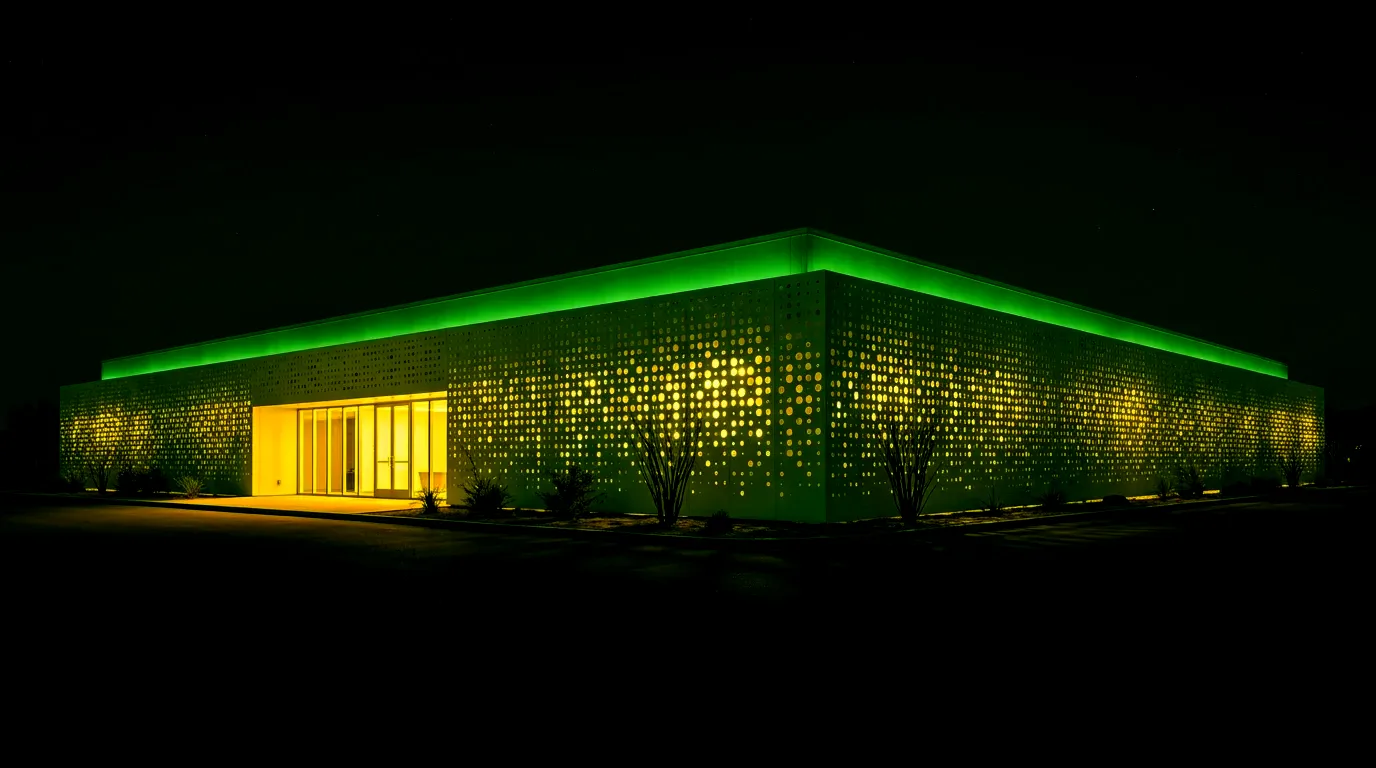
The perforated facade of the store at blue hour, roofline lit green

Vegas Treehouse

Off the Strip on purpose, in the Spring Valley and Chinatown corridor.

THCa, and why it is a different question

THCa is tetrahydrocannabinolic acid, the acidic form the plant actually produces. It is not intoxicating as it sits, and it converts to THC when heated, which is what happens when you smoke or vaporize it. That conversion is the entire basis of the THCa flower market elsewhere: sell it as a low-delta-9 product, and let heat do the rest. Nevada's statutes engage with decarboxylation directly. NRS 678A.239 defines synthetic cannabinoid and then carves out an exception at subsection 3: the term does not include THC produced through the decarboxylation of tetrahydrocannabinolic acid using a process approved by the Board. The drafting recognizes that heating THCa yields THC and treats the resulting THC as a real regulatory object rather than an accident.

THCa is
The acidic precursor, not intoxicating as-is
What heat does
Decarboxylates it into THC
NRS 678A.239(3)
Board-approved decarboxylation is not a synthetic cannabinoid

What this page will not tell you

It will not give you a milligram threshold. Nevada's 2025 legislative session tightened the rules on intoxicating hemp consumables, and secondary sources report specific per-serving and per-package caps, but this page found those figures only in commentary rather than in codified statute, so no number appears here. It also will not tell you whether a particular product on a particular shelf is compliant. That is a question for the license behind the counter, and the honest version of the answer is that a licensed dispensary's inventory is tested and tracked in a way a smoke-shop shelf is not.

Not printed here
Per-serving or per-package milligram caps
Why
Found in commentary, not in codified text this pass

The federal footnote

None of this changes federal law, and the two do not agree. Whatever a product's status under Nevada's definitions, cannabis cannot cross a state line and cannot go through airport security, including at Harry Reid. That is covered separately in the guide on taking cannabis out of Nevada. Nothing on this page is legal advice. It is a reading of three published statutes, quoted so you can check the reading yourself.

Questions

Is delta-8 legal in Nevada?

Nevada's THC definition at NRS 453.139 expressly includes delta-8-tetrahydrocannabinol, so delta-8 is treated as THC rather than as an unregulated hemp derivative. That places intoxicating delta-8 products inside the licensed cannabis system rather than on a general retail shelf.

Can I buy THCa flower at a smoke shop in Nevada?

Nevada's definitions do not support treating an intoxicating product as hemp. NRS 557.160 requires hemp to stay under the Department's THC ceiling, and NRS 557.180 imports the expanded THC definition from NRS 453.139 for that purpose. A licensed dispensary is the channel Nevada's framework points to.

What is the difference between THCa and THC?

THCa is tetrahydrocannabinolic acid, the acidic form the plant produces, and it is not intoxicating as it sits. Heat decarboxylates it into THC, which is intoxicating. Smoking or vaporizing performs that conversion.

Does Nevada law mention delta-10?

Yes, by name. NRS 453.139 lists delta-8, delta-7 and delta-10 tetrahydrocannabinol, and it introduces that list with the words including, without limitation, so the general isomer clause also catches variants not listed.

Why does Nevada treat delta-8 differently from most states?

Because of how the definition is drafted. Many states define THC as delta-9 alone, which leaves room for arguments about hemp-derived isomers. Nevada defines THC as delta-9 plus any structural, optical or geometric isomer, and then names three of them, which leaves considerably less room.

How many milligrams of hemp THC can a product contain in Nevada?

This page does not state a figure. Nevada tightened its rules on intoxicating hemp consumables in 2025, and secondary sources report specific caps, but those numbers were not located in codified statute during this research pass and will not be printed without one.

Sources

This guide explains Nevada rules in plain language. It is not legal advice, and the official sources above are the authority. Last reviewed 2026-08-15.

Daily 8AM to midnight

Come see us on Decatur.

We are at 4660 S Decatur Blvd, a few minutes west of the Strip, with a free lot out front. Bring a valid photo ID.

Delta-8 and THCa in Nevada - NRS 453.139 names delta-8, delta-7 and delta-10, why the hemp chapter imports that definition, what decarboxylation changes - Henderson | Vegas Treehouse